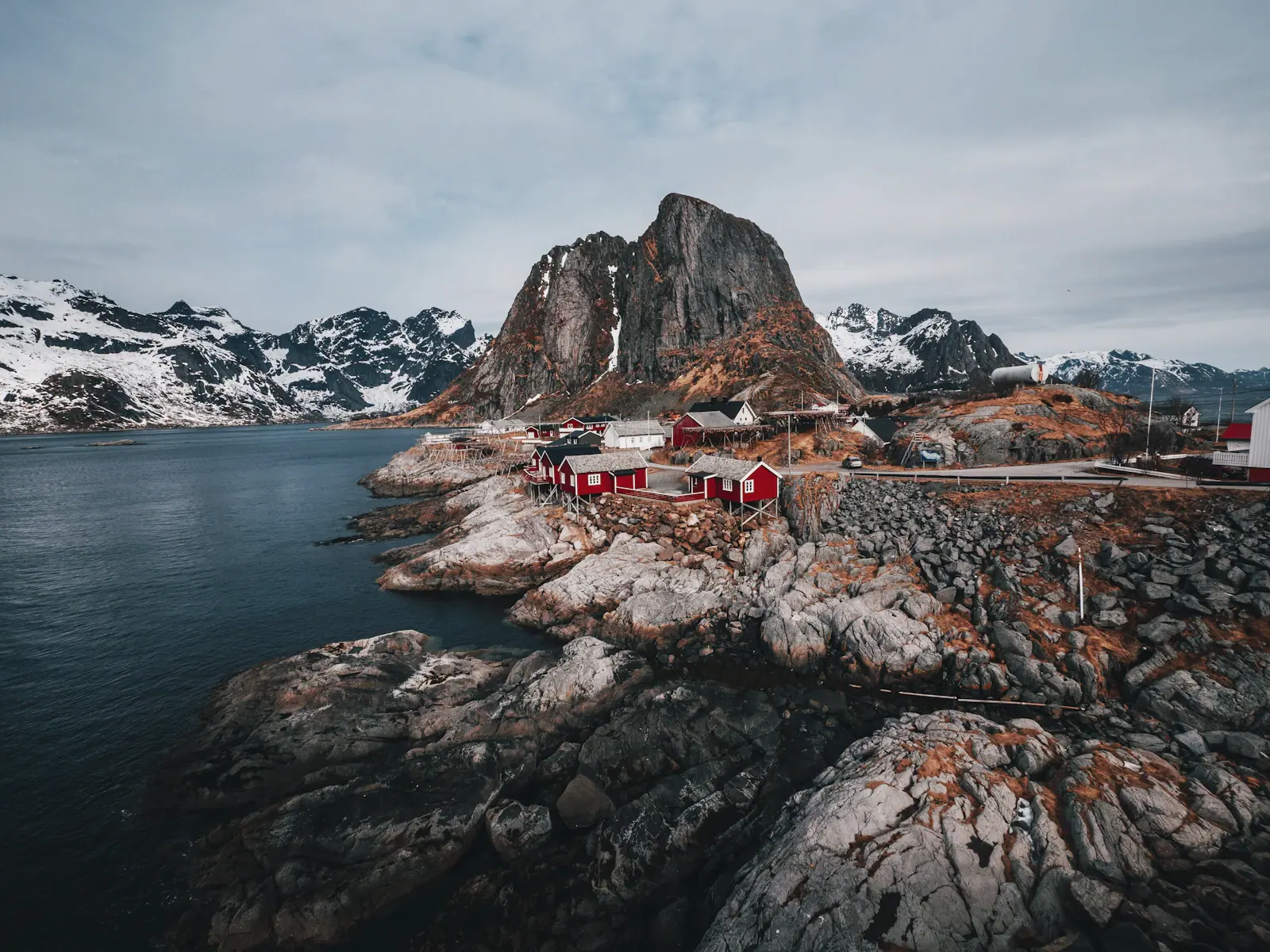
We left Svolvær at five on the twenty-eighth of August with eight guests, three crew and a forecast I did not like. The wind was due to go round to the north-west and build to 18 knots by the third day. Our plan was to be in Henningsvær before it did.
The first night is always the same. The guests arrive with their bags and an air of polite doubt. By nine they are in the saloon, eating boiled cod with potatoes and butter, which is the dish I make on the first night so that no one is left wondering what they are in for. By ten they are on deck, in a cold clean light, looking at Skrova island, and the doubt has gone.
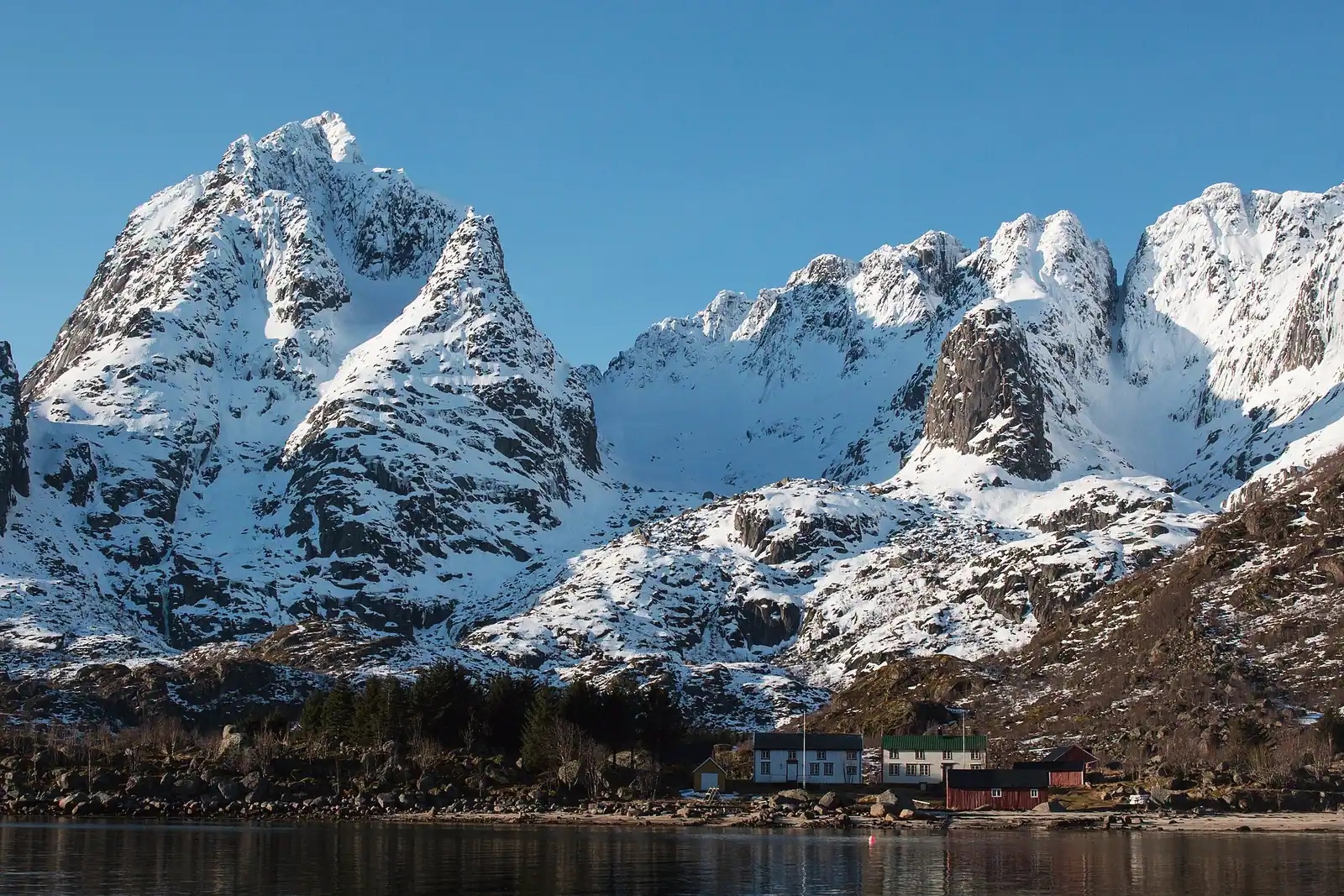
On the second day we took the boat into the Trollfjord, which is a place where the sun does not arrive in winter and barely in summer. A white-tailed eagle watched us from a ledge. Nobody spoke. Then the engine coughed and everyone laughed, and the eagle left.
On the third day the wind did what I had feared. We took two reefs in and ran down the Vestfjord under a deep blue sky, with water over the foredeck, doing nine knots. Every guest took the helm for twenty minutes. One of them, a retired civil engineer from Leeds, said it was the best day of his life and then asked me to hold his tea.
At the Moskstraumen, on the sixth day, we timed the slack water to the minute. The tide table said 11:42. At 11:39 the sea went flat. The engine hummed. Behind us the whole fjord was white, and ahead of us it was blue. Then we were through, and the wind came back.
We arrived at Reine at four on the seventh day, in sun. Everyone climbed the staircase on Reinebringen, in boots and wet-weather trousers, and looked down at the village from 448 m. The eight guests, who had been strangers on Sunday, stood on the summit with their arms round each other. I stayed on the boat and made the supper.